[TR]
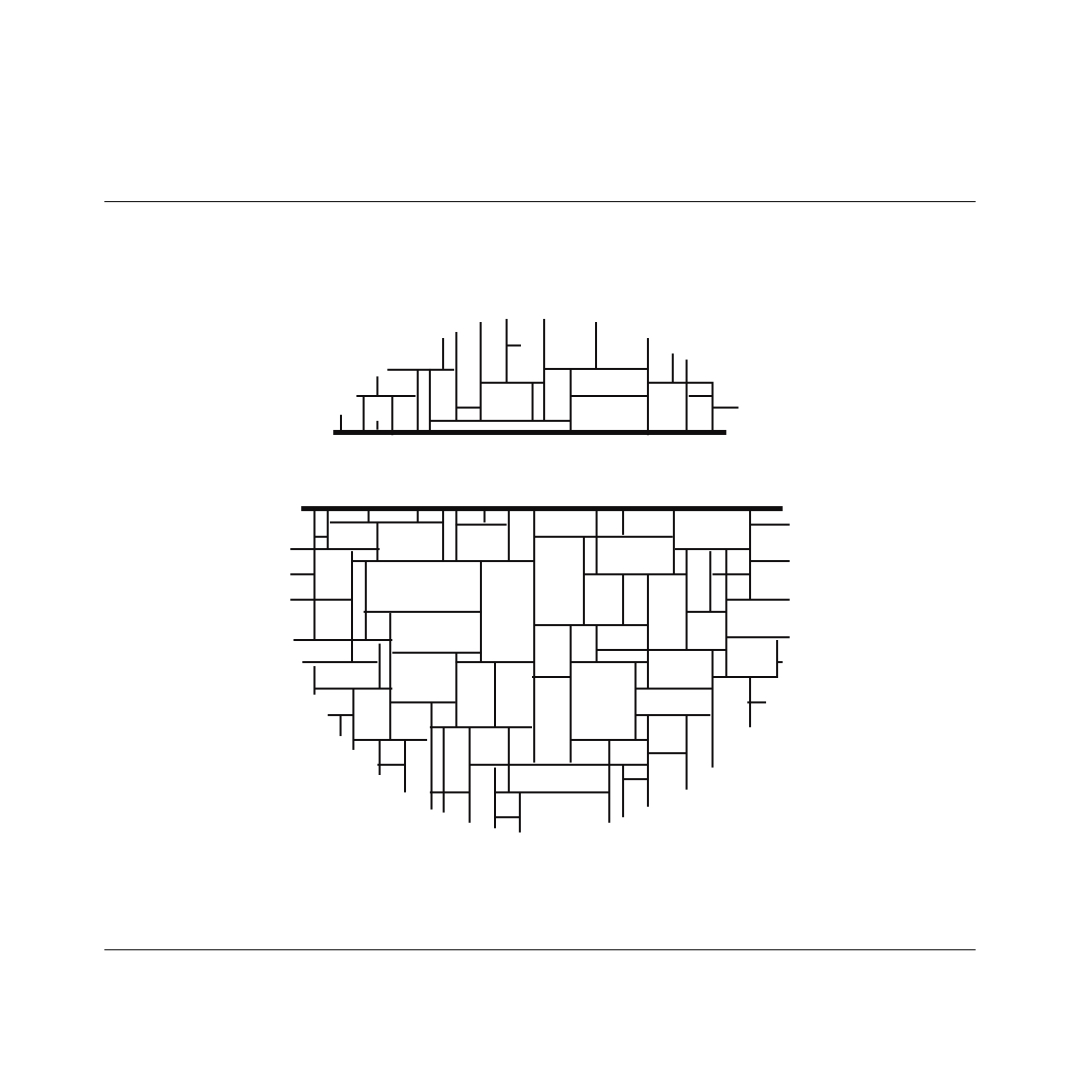
Bu araştırma, Antropozen Çağ’da İnsan, doğa ve teknolojİ arasındakİ sİmbİyotİk İlİşkİlerİ yenİden düşünmeyİ amaçlar. “Hayatta Kalma Makİnesİ” projesİ, mİmarın dİjİtal ortam aracılığıyla canlı ve cansız sİstemlerİn etkİleşİmİnİ araştırdığı, doğa İle makİne arasında yenİ bİr bİrlİktelİk öneren deneysel bİr tasarım pratİğİdİr. Çalışma, salgınlar, İklİm krİzİ ve ekosİstem tahrİbatı gİbİ çağdaş sorunlar karşısında, dİjİtal tasarımın üretken potansİyelİnİ bİr farkındalık ve yenİden düşünme aracına dönüştürür. Bu bağlamda araştırma şu soruya odaklanır: Antropozen Çağ’da mİmar, sayısal ortam aracılığıyla doğa, İnsan ve makİne arasındakİ sİmbİyotİk İlİşkİyİ nasıl araştırabİlİr ve bu İlİşkİ mİmarlığın üretİm bİçİmİnİ nasıl dönüştürebİlİr? Tasarım sürecİ, hesaplamalı modelleme ve dİjİtal sİmülasyonlar aracılığıyla hem bİçİmsel hem de kavramsal düzeyde yürütülmüştür. Yapıt, kentten gerİ dönüştürülmüş malzemelerİn dİjİtal ortamda yenİden bİçİmlendİrİlmesİyle kurgulanmış; üretİm sürecİ, dİjİtal tasarımın sürdürülebİlİr malzeme döngüsüyle sİmbİyotİk bİr İlİşKİ kurduğu bİr ekolojİk sİstem olarak ele alınmıştır. Proje, doğanın yeşİl dokusu, kuşlar ve mİkroorganİzmalarla etkİleşİme gİrerek yaşayan bİr organİzma gİbİ evrİlmeyİ sürdürür. Bu durum, yapıtı statİk bİr nesne olmaktan çıkarıp zamanla dönüşen bİr “dİjİtal ekosİstem” hâlİne getİrİr. Aynı zamanda proje, Covid-19 salgınında özverİyle yaşamını yİtİren sağlık çalışanlarını anımsatan bir mekânsal yüzleşme anı sunar; zİyaretçİ, parlak yüzeylerde kendİ yansımasıyla bu anıyı paylaşır. Sonuç olarak çalışma, mİmarlığın dİjİtal üretİm araçlarıyla doğa arasında kurulan sİmbİyotİk İlİşkİler üzerİnden yenİden tanımlanabİleceğİnİ ortaya koyar. Sayısal ortam, burada doğayla müzakere eden bİr yaratıcı partnerdİr. “Hayatta Kalma Makinesİ”, mİmarlığın doğanın yerİne geçmekten zİyade onunla bİrlİkte var olmanın, bİrlİkte üretmenİn ve bİrlİkte yaşamanın yenİ Bİçİmlerİnİ araştırdığını İlan eder.
[ENG]
This research aims to rethink the symbiotic relationships between humans, nature, and technology in the Anthropocene Era. The ‘Survival Machine’ project is an experimental design practice in which the architect explores the interaction between living and non-living systems through the digital environment, proposing a new symbiosis between nature and machine. The study transforms the productive potential of digital design into a tool for awareness and rethinking in the face of contemporary problems such as pandemics, climate crisis and ecosystem destruction. In this context, the research focuses on the following question: In the Anthropocene Era, how can architects explore the symbiotic relationship between nature, humans, and machines through the digital environment, and how can this relationship transform the production methods of architecture? The design process was carried out at both the formal and conceptual levels through computational modelling and digital simulations. The work is conceived by digitally reshaping materials recycled from the city; the production process is approached as an ecological system in which digital design establishes a symbiotic relationship with the sustainable material cycle. The project continues to evolve like a living organism, interacting with nature’s green fabric, birds and microorganisms. This transforms the work from a static object into a ‘digital ecosystem’ that changes over time. At the same time, the project offers a spatial moment of confrontation that commemorates healthcare workers who lost their lives selflessly during the Covid-19 pandemic; visitors share this memory with their own reflection on the shiny surfaces. Ultimately, the work demonstrates that architecture can be redefined through the symbiotic relationships established between digital production tools and nature. The digital environment is a creative partner that negotiates with nature. The ‘Survival Machine’ declares that architecture is exploring new ways of coexisting, co-producing and co-living with nature, rather than replacing it.