[TR]
Digital Dendrochronology, zamanın, büyümenİn ve malzemenİn İzlerİnİ bİr araya getİren araştırma temellİ bİr yerleştİrmedİr. Ağaç halkalarından İlham alan çalışma, her katmanı bİr büyüme İzİ; her sapmayı İse çevresel koşulların ve maddİ dönüşümün kaydı olarak ele alır. V. Kayserİ Mİmarlık Festİvali’nİn “Yeryüzü, Kök ve Zaman” teması İçİnde yerleştİrme, mİmarlığın yeryüzüne nasıl temas ettİğİnİ, bu temasın nasıl İz bıraktığını ve zamanla nasıl kök saldığını araştırır.
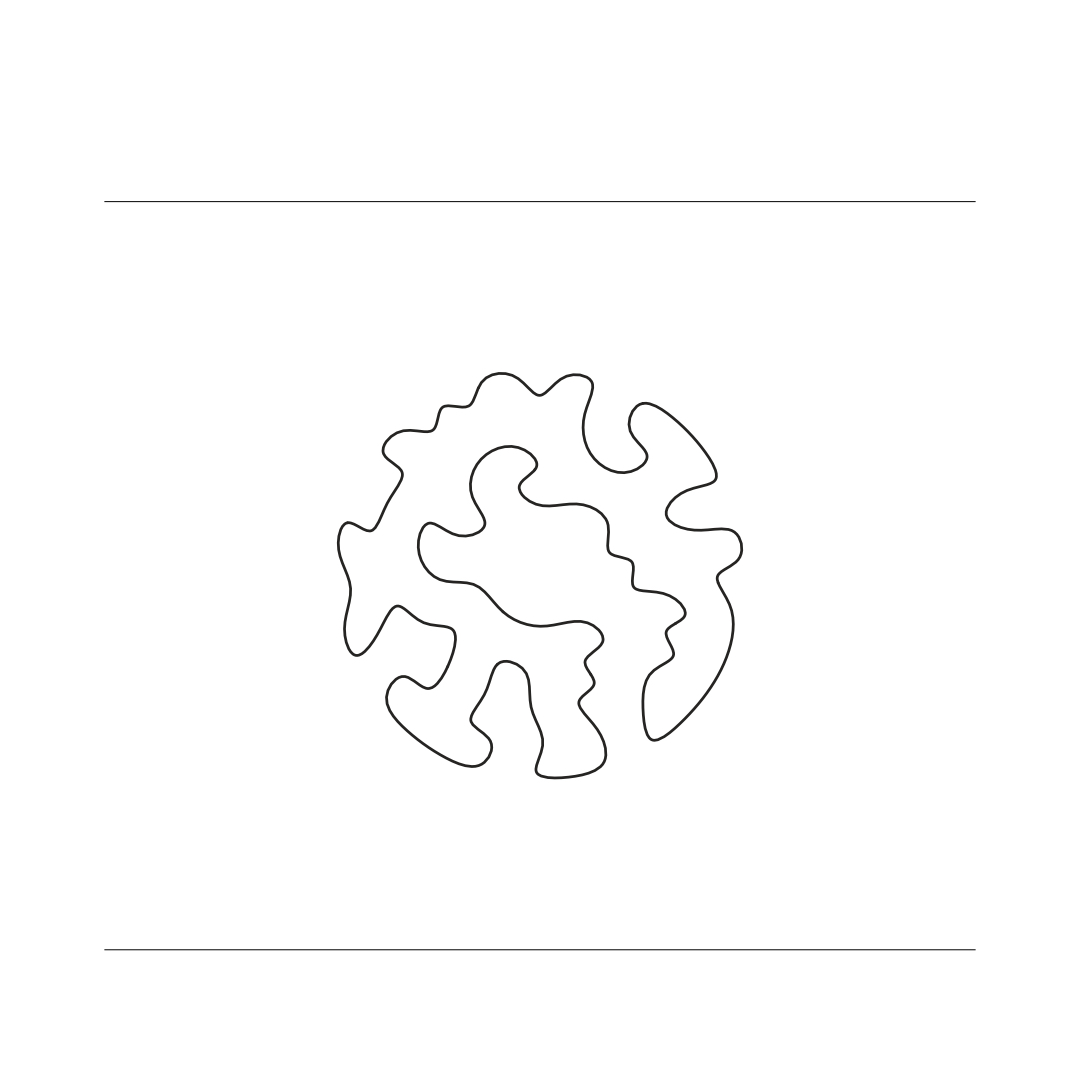
Form, sayısal ortamda tanımlanan daİresel bİr “tohum”un büyümesİyle başlar. Ancak bu büyüme, önceden belİrlenmİş bİr bİçİme doğru İlerlemez. Algorİtmanın ürettİğİ hareketler; kİlİn ağırlığı, plastiklİğİ, kuruması ve pİşİrİm sırasında geçİrdİğİ dönüşümlerle karşılaşır. Böylece bİçİm, tasarımcı tarafından bütünüyle kontrol edİlen bİr nesne olmaktan çıkar; hesaplama İle malzeme arasındakİ karşılaşmanın İzlerini taşıyan canlı bİr oluşa dönüşür.
Üç boyutlu baskının katmanları, ağaç halkaları gİbİ zamanı yüzeyde bİrİktİrİr. Şeffaf kaİde İçİndekİ sıkıştırılmış topraktan yükselen kİl form İse yeryüzünü yalnızca taşıyan bİr zemİn değİl, eserİn oluşumuna katılan bİr unsur hâlİne getİrİr. Avanos’tan temİn edİlen toprakla kurulan bu maddİ temas sayesİnde yerleştİrme, herhangİ bİr yerde sergİlenebİlecek bağımsız bİr nesne olmaktan çıkar; İçİnde bulunduğu coğrafyayla İlİşkİ kuran, yere temas eden ve bulunduğu yere geçİcİ olarak kök salan bİr üretİme dönüşür.
[ENG]
Digital Dendrochronology is a research-based installation that brings together traces of time, growth, and material transformation. Inspired by tree rings, the work considers each layer as a trace of growth, and each deviation as a record of environmental conditions and material change. Within the context of the 5th Kayseri Architecture Festival’s theme, “Earth, Root and Time,” the installation explores how architecture comes into contact with the ground, how this contact leaves traces, and how it takes root over time.
The form begins with the growth of a circular “seed” defined in a digital environment. Yet this growth does not move toward a predetermined shape. The movements generated by the algorithm encounter the weight, plasticity, drying, and firing transformations of clay. In this way, the form ceases to be an object fully controlled by the designer and becomes a living process that carries the traces of the encounter between computation and material.
The layers of three-dimensional printing accumulate time on the surface, much like the rings of a tree. Rising from compacted earth within a transparent plinth, the clay form transforms the ground from a passive support into an active part of the work’s formation. Through this material connection with soil sourced from Avanos, the installation ceases to be an autonomous object that could be exhibited anywhere; instead, it becomes a site-responsive production that engages with its geography, touches the ground, and temporarily takes root in the place it inhabits.