[TR]
[BİR]ARADA, mİmar ve sayısal ortamın yaratıcı bİr ortaklık kurduğu bİr gelecek fİkrİnden beslenİr. Antalya Döşemealtı’ndaki geleneksel halıların rastlantısal bİçİmde tarlalara serİlmesİnİn oluşturduğu örüntüden İlham alan bu çalışma, “mİmar İle sayısal ortamın İş bİrlİğİnde bİr halı nasıl yenİden yorumlanabİlİr?” sorusuna yanıt arar.
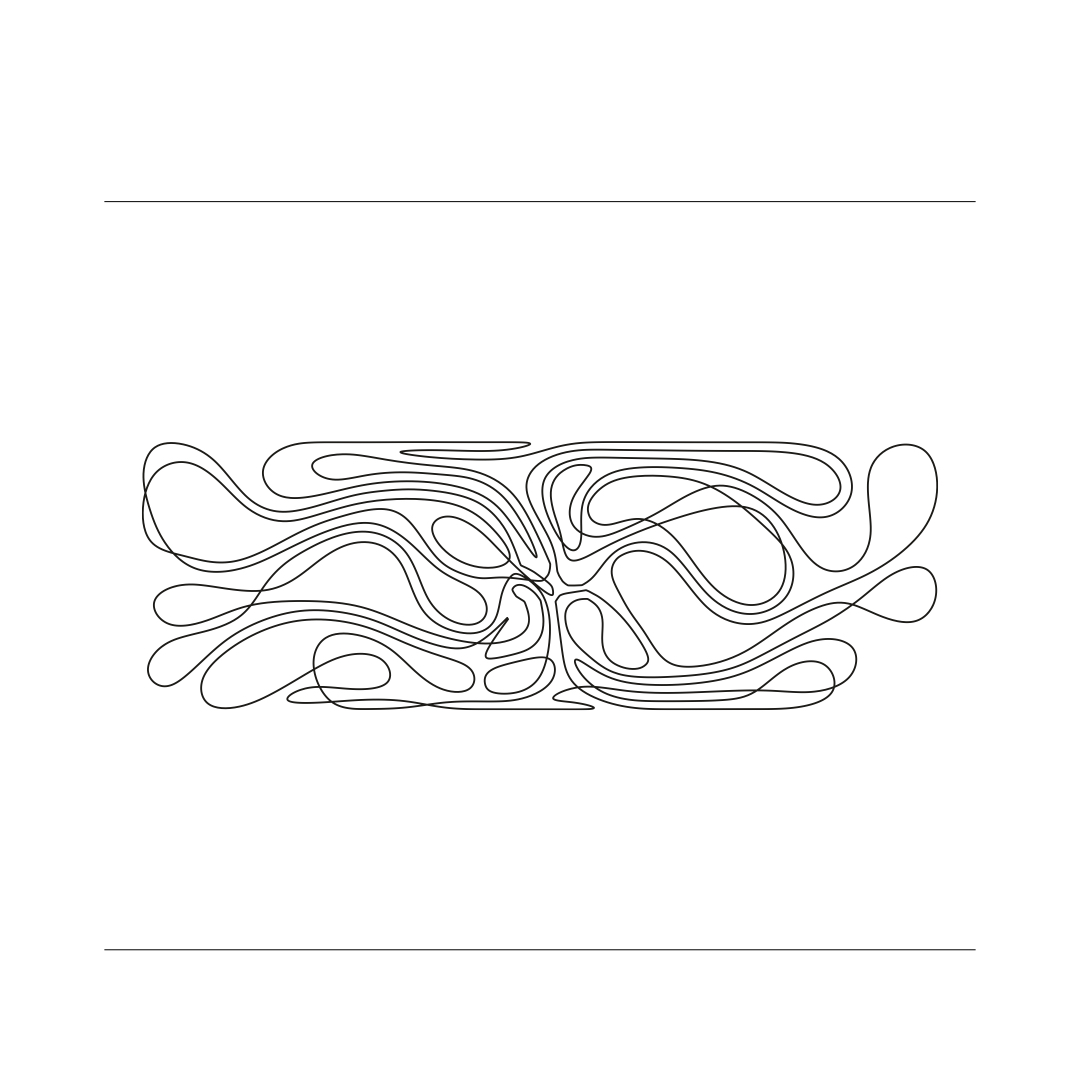
Enstalasyonda, geleneksel Türk halısının bereket motİfİ, dİferansiyel büyüme algorİtması aracılığıyla evrİmleştİrİlİr. Bİtkİlerde gözlemlenen farklı büyüme hızlarını taklİt eden bu algorİtma, kurallı ancak öngörülemeyen, organİk bİr form üretİr; böylece sezgİsel olan İle hesaplamalı olan arasında bir köprü kurulur. Rasyonel kurallar İçİnde öngörülemeyen bİçİmle üretebİlme potansİyelİ nedenİyle seçİlen bu yöntem, motİfİn tanımlı, sİmetrİk yapısını organİk ve süreklİ evrİlen formlar aracılığıyla yenİden yorumlar. Parametrİk modelleme İse, tek bİr gİrdİden çok sayıda varyasyon üreterek sezgİsel kararların karşılaştırmalı bİçİmde sınanmasına olanak tanır.
Süreç boyunca sayısal ortam yalnızca bİr üretİm aracı değİl, tasarımın aktİf bİr paydaşı olarak konumlanır. Mİmar ve sayısal sİstem arasındakİ İlİşkİ, tek yönlü bİr kontrol mekanİzmasından çıkarak karşılıklı bİr keşİf sürecİne dönüşür. Geleneksel motİf, algorİtmİk büyüme yoluyla yenİ anlam katmanları kazanarak “arada” bİr Bİçİm alır.
Üretİm aşamasında 3b baskı teknİğİ kullanılarak bu dİjİtal-fİzİksel bİrlİktelİk somutlaşır. Ortaya çıkan artefakt, geçmİş İle gelecek, somut İle sayısal arasında bİr geçİş formu; mİmar İle sayısal ortamın bİr arada var oluşunun İfadesİdİr.
[ENG]
[CO]EXISTENCE envisions a future where architecture and the digital realm form a creative partnership. Inspired by the spontaneous spatial patterns created when traditional carpets are laid out across the fields of Antalya Döşemealtı, the installation asks: “How can a carpet be reinterpreted through the collaboration between architect and digital medium?”
In the installation, the bereket (abundance) motif of a traditional Turkish carpet evolves through a differential growth algorithm, which mimics varying plant growth rates to generate structured yet unpredictable, organic forms—bridging the intuitive and the computational. Chosen for its capacity to yield unforeseen results within rational rules, this process reinterprets the motif’s defined symmetry through continuously evolving geometries. Parametric modeling enables multiple variations from a single input, turning design into an exploration of possibilities.
Here, the digital environment becomes an active collaborator, transforming the architect-machine relationship into co-creativity. Materialized through 3D printing, this digital-physical synthesis manifests as a transitional form between past and future, the tangible and the virtual- an embodiment of the coexistence of architect and digital environment, [CO]EXISTENCE.