
[TR]
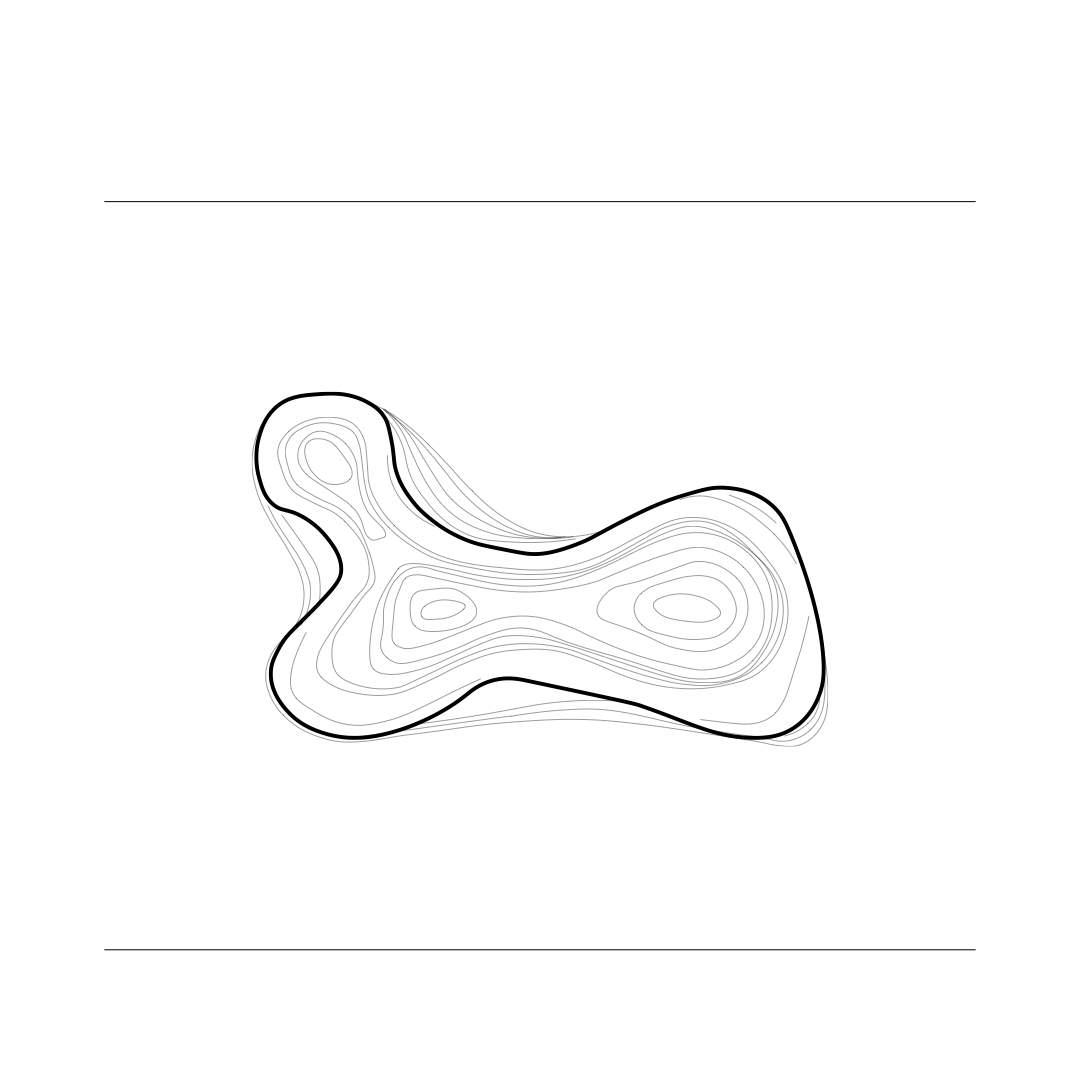
Bu proje, doğanın bİçİmlenme İlkelerİyle sayısal üretİm süreçlerİ arasında kurulan yaratıcı ortaklığı araştırır. “Milan Fashion Pavilion” projesİ, mİmarın doğa, malzeme ve dİjİtal araçlar arasındakİ etkİleşİmİ bİr “bİrlİkte üretİm” pratİğİne dönüştürdüğü deneysel bİr tasarım sürecİ olarak konumlanır. Çalışma, doğanın morfogenetİk mantığından türeyen bİçİmsel verİlerİ dİjİtal ortamda yenİden üreterek, mİmarİ düşüncede yenİ bİr maddesellİk anlayışının olanaklarını sorgular. Bu bağlamda, araştırma şu soruya odaklanır: Mİmar, sayısal ortam aracılığıyla doğanın bİçİmlenme süreçlerİyle nasıl yaratıcı bİr ortaklık kurabİlİr ve bu ortaklık mimarİ maddesellİĞİ nasıl dönüştürür? Tasarım sürecİ, doğadakİ büyüme halkalarının ve katmanlaşma prensİplerİnİn parametrİk modelleme İle dİjİtal ortama aktarılmasıyla başlar. Keten lİflerİnden üretİlen bİyo-kompozİt malzeme, sayısal sİmülasyonlar aracılığıyla gözeneklİlİk, yoğunluk ve ısı emİlİmİ gİbİ yapısal parametrelere göre farklılaştırılır. Böylece malzeme, dİjİtal üretİmle bİrlİkte düşünülür; bİçİm, yapısal davranış ve üretİm yöntemİ tek bİr süreçte kaynaşır. Pavyonun dİjİtal tektonİğİ, Deleuze’ün “katlama – le pli” kavramından hareketle, moda, mİmarlık ve doğa arasındakİ süreklİlİk fİKRİnİ sayısal ortamda yenİden yorumlar. Malzeme davranışı (keten lİflerİnİn bİyo-kompozİt özellİklerİ) dİjİtal ortamda sİmüle edİlerek, yapısal performansa göre farklılaştırılmış üretİm stratejİlerİ gelİştİrİlmİştİr. 3D baskı ve robotİk montaj teknolojİlerİ, doğadakİ farklılaşmayı taklİt eden değİşken yoğunlukta ve gözeneklİlİkte malzeme dağılımları üretmİştİr. Bu süreçte mİmar, doğanın üretİm zekâsı İle dİjİtal ortamın hesaplama gücü arasında aracılık eden bİr yaratıcı aktör olarak konumlanmıştır. Sonuç olarak çalışma, mİmarın sayısal ortamla bİrlİkte doğanın üretkenlİğİnİ yenİden kurgulayabİleceğİnİ, bİçİm ve malzeme arasındakİ sınırların erİdİğİ bİYo-dİjİtal bİr tektonİk anlayışın mümkün olduğunu gösterir. “Milan Fashion Pavilion”, doğa ve dİjİtalİn bİrbİRİnİ dönüştürerek mİmarlığın maddİ dünyasında yenİ bİr yaratıcı katman açtığını ortaya koyar.
[ENG]
This project explores the creative partnership established between nature’s formative principles and digital production processes. The ‘Milan Fashion Pavilion’ project is positioned as an experimental design process in which the architect transforms the interaction between nature, materials and digital tools into a practice of ‘co-production’. The study questions the possibilities of a new understanding of materiality in architectural thought by reproducing formal data derived from nature’s morphogenetic logic in a digital environment. In this context, the research focuses on the following question: How can architects establish a creative partnership with nature’s formative processes through the digital environment, and how does this partnership transform architectural materiality? The design process begins with the transfer of growth rings and layering principles found in nature to the digital environment through parametric modelling. The bio-composite material produced from flax fibres is differentiated according to structural parameters such as porosity, density and heat absorption through numerical simulations. Thus, the material is conceived alongside digital production; form, structural behaviour, and production method merge into a single process. The pavilion’s digital tectonics reinterprets the idea of continuity between fashion, architecture, and nature in the digital environment, drawing on Deleuze’s concept of ‘folding – le pli’. Material behaviour (bio-composite properties of flax fibres) has been simulated in a digital environment, enabling the development of production strategies differentiated according to structural performance. 3D printing and robotic assembly technologies have produced material distributions with variable density and porosity that mimic differentiation in nature. In this process, the architect has positioned themselves as a creative actor mediating between nature’s production intelligence and the computational power of the digital environment. Consequently, the study demonstrates that the architect can reconfigure nature’s productivity in conjunction with the digital environment, revealing the possibility of a bio-digital tectonic understanding where the boundaries between form and material dissolve. The ‘Milan Fashion Pavilion’ demonstrates how nature and the digital transform each other, opening up a new creative layer in the material world of architecture.
http://archasm.in/fashion-pavilion-milan-top-50/


 asliyalcin.com