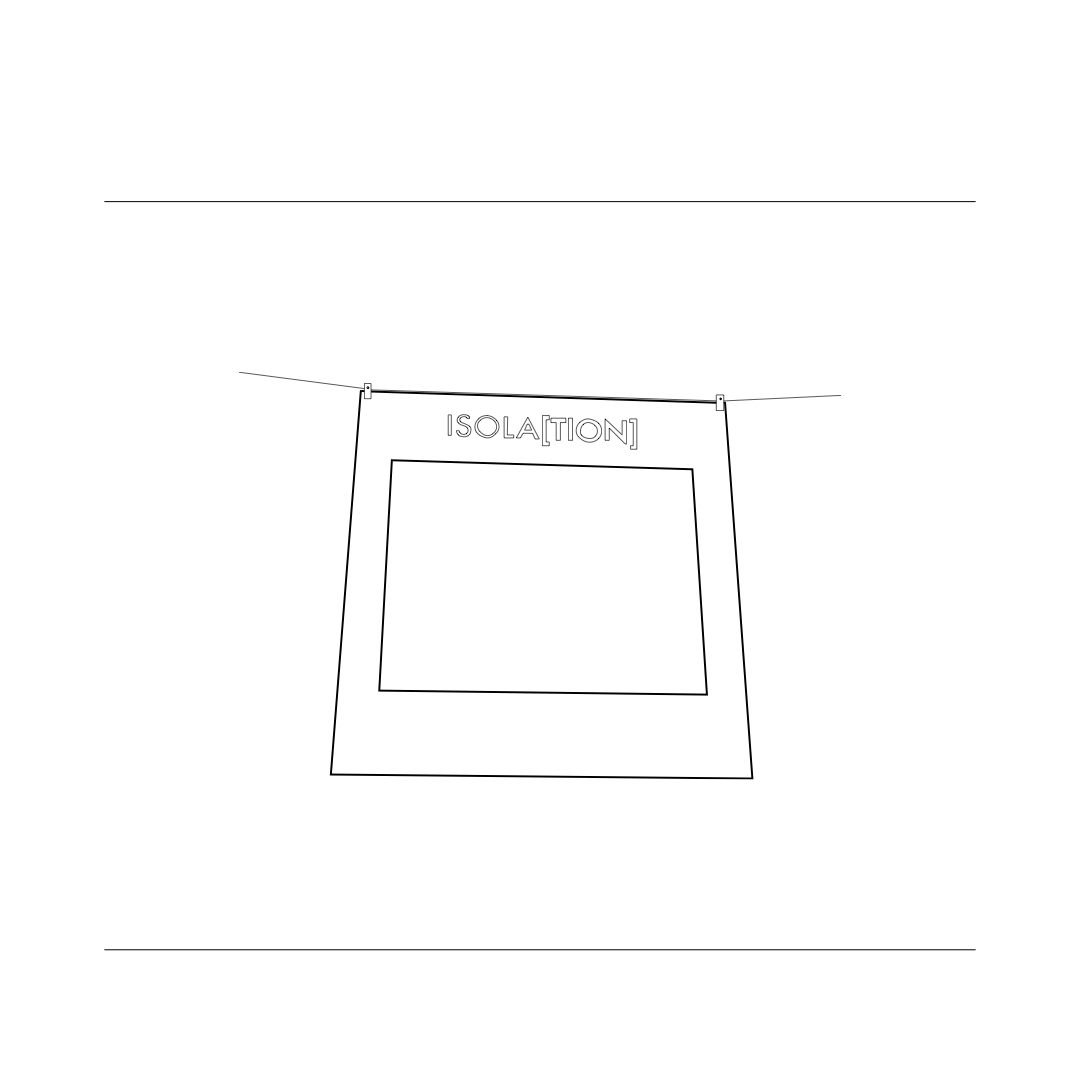
Aslı Yalçın ilk Solo Sergisi 05.09.2020 @Sedefadası
[TR] Bu araştırma, mİmarın öznel belleğİ İle sayısal ortamın üretken potansİyelİ arasında kurulan yaratıcı etkileşİmİ araştırarak, mekân, bellek ve zaman kavramlarını dİjİtal ortamda yenİden üretmeyİ hedeflemektedİr. Araştırma, sayısal ortamı yalnızca bİr temsİlİyet aracı olarak değİl, mİmarİ düşüncenİn, hatırlama bİçİmlerİnİn ve mekânsal deneyİmlerİn yenİden üretİldİğİ yaratıcı bİr zemİn olarak ele alır. Bu bağlamda çalışma, dİjİtal eskİzlerİn mekânsal hafızayı yenİden kurmadakİ rolünü sorgular ve şu soruya odaklanır: Mİmarın belleğİ, sezgİsel düşünme bİçİmlerİ ve dİjİtal araçların üretken potansİyelİ, mekânın zamansal yenİden üretİmİnde nasıl ortak bİr yaratıcı sürece dönüşür? Bu sorunun İzİnde gelİştİrİlen tasarım yoluyla araştırma sürecİnde, dİjİtal eskİzler bİrer düşünme ve yenİden hatırlama aracı olarak kullanılmış; psikocoğrafİk harİtalama yaklaşımıyla mİmarın belleğİnde yer eden mekânsal İmgeler, sayısal ortamda yenİden üretİlmİştİr. Covid-19 pandemİsİ sürecİnde ortaya çıkan “İzolasyon” kavramı etrafında, 2020 yazının ada mekânındaki deneyİmİ, geçmİş ve şİmdİ arasındakİ geçİrgen sınırları aşarak dİjİtal ortamda zamanlararası bİr anlatıya dönüştürülmüştür. Böylece üretİm sürecİ, mİmari düşüncenİn dİjİtal ortamda evrİm geçİren bİr tür dİjİtal hatırlama pratİğİ olduğunu ortaya koymuştur. Sonuç olarak çalışma, dİjİtal ortamın mİmara yalnızca bİçİmsel bİr üretİm alanı değİl, aynı zamanda zİhİnsel, duygusal ve belleksel bİr düşünme uzamı sunduğunu gösterİr. Mİmarın belleğİ İle sayısal ortam arasında kurulan bu ortaklık, mekânın yenİden üretİmİnde İnsan ve makİnenİn bİrlİkte yarattığı yenİ bİr bellek katmanının İzlerİnİ açığa çıkarır.
[ENG] This research aims to re-create the concepts of space, memory and time in a digital environment by exploring the creative interaction established between the architect’s subjective memory and the productive potential of the digital environment. The research approaches the digital environment not merely as a means of representation, but as a creative ground where architectural thought, forms of memory and spatial experiences are re-created. In this context, the study questions the role of digital sketches in reconstructing spatial memory and focuses on the following question: How do the architect’s memory, intuitive ways of thinking, and the productive potential of digital tools transform into a shared creative process in the temporal reproduction of space? In the research process developed through design following this question, digital sketches were used as tools for thinking and recollection; spatial images embedded in the architect’s memory were reproduced in a digital environment using a psychogeographic mapping approach. Centred around the concept of ‘isolation’ that emerged during the Covid-19 pandemic, the experience of the island space in the summer of 2020 was transformed into a temporal narrative in the digital environment, transcending the permeable boundaries between past and present. Thus, the production process revealed that architectural thinking is a type of digital memory practice that evolves in the digital environment. In conclusion, the study demonstrates that the digital environment offers architects not only a formal production space, but also a mental, emotional and memory-based space for thinking. This partnership established between the architect’s memory and the digital environment reveals traces of a new layer of memory created jointly by humans and machines in the reproduction of space.